
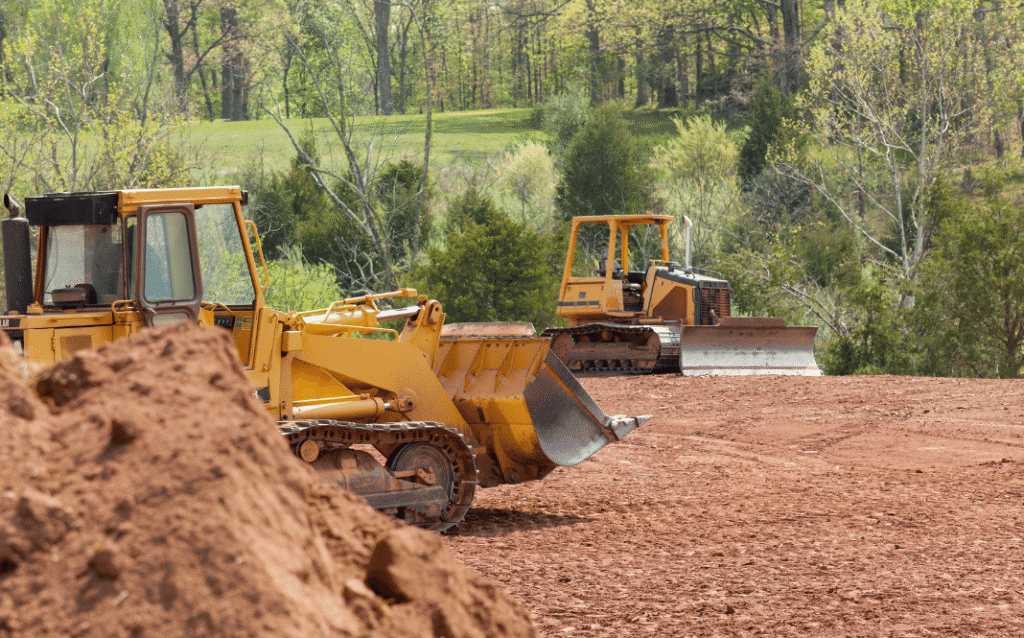
Excavation is one of the first major milestones in building a new home, and it’s also one of the most consequential. Long before framing crews arrive or concrete gets poured, excavation contractors are shaping the land that everything else will rest on. Get this stage right, and the rest of construction tends to move smoothly. Get it wrong, and homeowners can face drainage issues, foundation settling, or costly corrections down the road.
Proper excavation does more than carve out space for a foundation. It establishes drainage patterns, grades the property correctly, and creates a stable base for the structure above. This is why working with an experienced excavation contractor matters so much — the decisions made in the first few weeks of a project can influence the home’s performance for decades.
This guide walks through what homeowners and builders can typically expect during the excavation process for new home construction, from initial site assessment through final grading.
What Is Involved in Excavation for a New Home?
 Residential excavation for new construction covers far more ground — literally and figuratively — than digging a hole for a foundation. A complete excavation scope generally includes:
- Site preparation and clearing
- Removing unsuitable soil or material
- Foundation and footing excavation
- Grading and drainage preparation
- Utility and service trenches
- Backfilling and final grading
Each of these stages depends on the one before it. Skipping steps or rushing through them tends to create problems that surface later, often after the foundation is already in place and much harder to fix.
Step 1 – Site Assessment and Planning
Before any equipment touches the ground, excavation contractors review the construction and site plans to understand exactly what the project requires. This planning phase typically includes:
- Reviewing architectural and site plans
- Assessing property access and equipment requirements
- Evaluating existing terrain and elevations
- Testing soil and ground conditions
- Identifying underground utilities
- Determining where excavated material will be stored or hauled away
- Planning drainage before any digging begins
Skipping this stage is one of the most common causes of delays later in a project. A contractor who understands the soil conditions and utility locations upfront can avoid costly surprises once excavation is underway.
Step 2 – Land Clearing and Site Preparation
Once the assessment is complete, the site needs to be cleared and prepared for equipment and construction activity. This typically involves removing brush, vegetation, debris, and other obstacles, along with stripping topsoil where necessary.
Contractors also need to create safe, stable access points for excavation and construction equipment. This preparation work ensures the building area is ready before foundation excavation starts. Land clearing needs vary significantly depending on the property — a wooded lot requires far more preparation than an open field.
Step 3 – Excavating the Foundation
With the site cleared, excavation moves to the foundation itself. Crews excavate according to the home’s foundation plans, creating space for footings and foundation walls at the correct depth, dimensions, and elevations.
Accuracy here is critical. A foundation excavated even slightly off-spec can create complications for every trade that follows, from concrete forming to framing. The excavation area also needs to remain stable and accessible so subsequent crews can work safely and efficiently. Mistakes made at this stage are far more expensive to correct once concrete has been poured.
Step 4 – Drainage and Water Management
Drainage should be planned during excavation, not addressed afterward as an afterthought. Water management decisions made at this stage protect the home for its entire lifespan.
This step typically includes grading the site so water flows away from the future home, addressing foundation drainage considerations, and installing French drains or other drainage solutions where the soil or terrain calls for them. The goal is straightforward: prevent water from collecting around the foundation, since standing water is one of the leading causes of foundation damage and basement moisture problems over time.
Step 5 – Utility and Service Excavation
New homes require trenching for a range of underground services, including:
- Water lines
- Sewer or septic systems
- Electrical service
- Gas lines
- Other underground utilities
This work needs close coordination between the excavation contractor, builders, and other trades to make sure trenches are placed correctly and don’t conflict with the foundation or future landscaping plans. Poor coordination at this stage can lead to rework, which adds both time and cost to a project.
Step 6 – Backfilling Around the Foundation
Once the foundation is complete, excavated areas around it need to be backfilled. This involves using appropriate fill material and compacting it properly in layers.
Backfilling might seem like a minor step compared to foundation work, but it plays a significant role in long-term stability. Poor backfilling — using the wrong material or failing to compact it properly — can contribute to settling, cracking, and drainage problems that show up months or even years after construction wraps up.
Step 7 – Rough and Final Grading
The last major excavation-related stage involves shaping the property once major earthwork is complete. This includes establishing proper slopes around the home to direct surface water away from the foundation and preparing areas for driveways, landscaping, and other exterior features.
Rough grading typically happens early to establish general contours and drainage patterns, while final grading is completed closer to the end of construction, once landscaping and hardscaping plans are finalized. Both stages matter, but they serve different purposes at different points in the build.
How Long Does New Home Excavation Take?
Excavation timelines vary considerably from project to project, so there’s no universal number of days that applies across the board. Several factors influence how long excavation takes, including:
- Home and foundation size
- Soil conditions
- Weather
- Site accessibility
- Amount of clearing required
- Drainage requirements
- The volume of material that needs to be removed or brought onto the property
A straightforward build on an accessible, well-drained lot will move faster than a project on a heavily wooded or sloped site with poor soil conditions. Homeowners and builders should discuss timeline expectations directly with their excavation contractor once site conditions are known.
What Can Affect the Cost of New Home Excavation?
Excavation costs depend on a similar mix of site-specific variables, including:
- Size and depth of excavation
- Property terrain
- Soil and ground conditions
- Equipment access
- Land clearing requirements
- Amount of material removed
- Fill and gravel requirements
- Drainage work
- Utility trenching
- Grading requirements
Because so many factors are property-specific, excavation quotes should always be based on an actual site assessment rather than a general estimate. For a deeper look at cost factors, keep an eye out for our upcoming guide on excavation pricing in Ontario.
Why Proper Excavation Matters When Building a Home
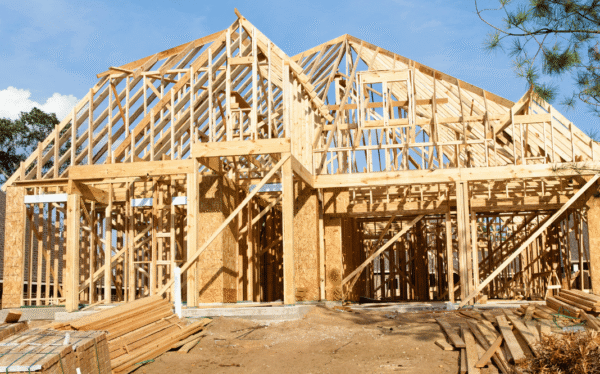 Excavation sets the tone for the entire build. Done correctly, it provides a solid starting point for the foundation, helps manage water around the property, and establishes grades that support the home for years to come. It also makes later construction stages easier, since builders can trust the groundwork beneath them.
Cutting corners during excavation, on the other hand, tends to create problems that resurface later — drainage issues, uneven grading, or foundation instability that requires costly correction. Investing in proper excavation upfront reduces the likelihood of these avoidable setbacks.
Choosing an Excavation Contractor for New Home Construction
Not all excavation contractors bring the same level of expertise to residential projects. When evaluating a contractor for new home construction, consider:
- Experience with residential and new-construction excavation specifically
- Proper equipment suited to the property
- Understanding of drainage and grading principles
- Ability to coordinate effectively with builders and other trades
- Knowledge of local soil and terrain conditions
- Clear communication about project scope and timeline
New Home Excavation in Southwestern Ontario
Bowden Excavating provides residential excavation and site-preparation services for new home construction throughout Southwestern Ontario. With experience handling everything from initial site assessment to final grading, Bowden Excavating helps homeowners and builders manage excavation, drainage, land clearing, and related site work with confidence.
Planning a New Home Construction Project?
Excavation lays the groundwork — quite literally — for everything that follows in a new home build. Whether you’re a homeowner, builder, or contractor preparing to break ground, working with an experienced excavation team helps avoid costly surprises later in the project.
Contact Bowden Excavating to request an excavation quote for your new home construction project in Southwestern Ontario.
Frequently Asked Questions
What is the first step in excavating for a new home?
The first step is site assessment and planning, which includes reviewing construction plans, evaluating soil conditions, identifying underground utilities, and determining equipment access before any digging begins.
Does excavation include drainage work?
Yes. Drainage should be planned during excavation rather than added afterward. This includes grading the site to direct water away from the home and installing solutions like French drains where needed.
How much does new home excavation cost?
Costs vary based on factors like excavation size and depth, soil conditions, site accessibility, land clearing needs, and utility trenching requirements. A site-specific quote from an excavation contractor is the most accurate way to estimate cost.
How long does excavation take for a new home?
Timelines depend on project-specific factors such as home size, soil conditions, weather, and site accessibility, so there is no fixed timeframe that applies to every build.
Who should homeowners hire for new home excavation?
Homeowners should look for a contractor with residential excavation experience, appropriate equipment, drainage and grading knowledge, and a track record of coordinating with builders and other trades.