
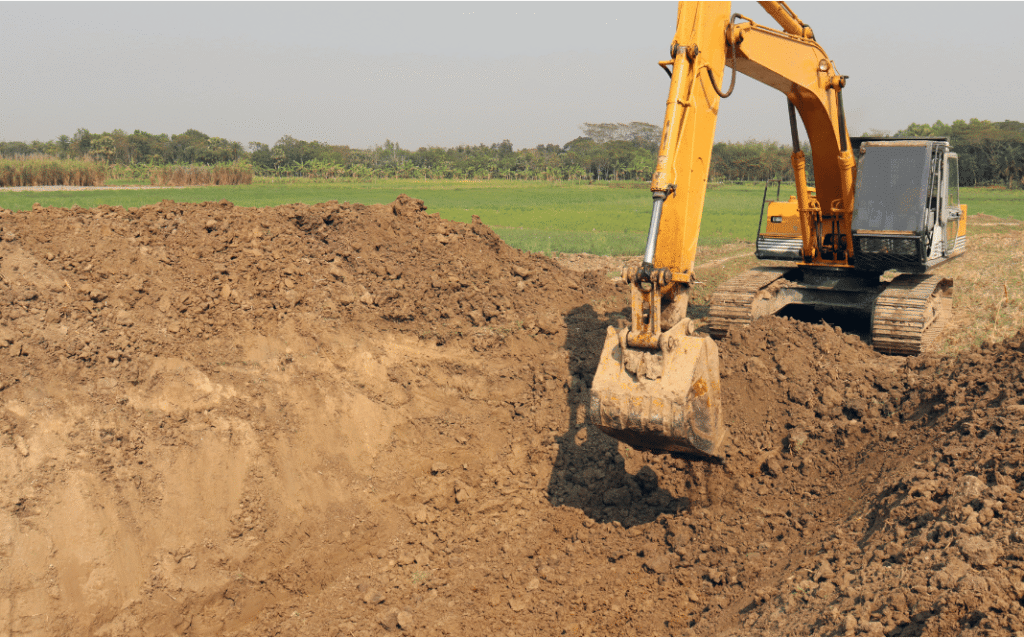
Excavation is the backbone of nearly every construction project—from a backyard pool installation to a multi-storey office complex. Without proper ground preparation, no structure can stand safely or last long. While the fundamental process is the same (moving earth to prepare a site), residential and commercial excavation differ significantly in scale, complexity, equipment, and regulatory requirements.
This guide breaks down everything you need to know about both types of excavation, so whether you’re a homeowner planning a new build or a developer managing a large-scale project, you’ll know exactly what to expect—and how to find the right contractor for the job.
What Is Residential Excavation?
Residential excavation involves earthmoving work on private properties to support home construction and related projects. The goal is to prepare the land so that foundations, drainage systems, and other residential features can be built safely and to code.
Common Residential Excavation Projects
- New home construction
- Garage foundations
- Basement excavation
- Swimming pools
- Septic system installation
- French drains
- Driveways
- Land clearing
- Pond excavation
Residential sites tend to be smaller and more constrained. Limited access, narrow lots, and proximity to existing structures all add complexity to what might seem like a straightforward job. A skilled contractor knows how to work within those constraints without disrupting neighboring properties or damaging existing landscaping.
What Is Commercial Excavation?
Commercial excavation covers ground preparation for larger-scale developments—office buildings, retail centres, industrial facilities, and municipal infrastructure. These projects are typically more technically demanding and operate under stricter regulatory oversight than residential work.
Common Commercial Excavation Projects
- Office buildings
- Retail plazas
- Warehouses
- Industrial facilities
- Parking lots
- Municipal infrastructure
- Apartment buildings
- Schools
- Agricultural buildings
Commercial excavation usually involves larger crews, specialized heavy equipment, and close coordination with engineers, project managers, and municipal authorities. The stakes are higher, and so are the planning requirements.
Key Differences Between Residential and Commercial Excavation
|
Factor |
Residential |
Commercial |
|---|---|---|
|
Site size |
Smaller |
Larger |
|
Excavation volumes |
Lower |
Higher |
|
Timelines |
Days to weeks |
Weeks to months |
|
Permits required |
Fewer |
More approvals and inspections |
|
Equipment |
Compact machinery |
Large, specialized equipment |
|
Primary clients |
Homeowners |
Builders, developers, municipalities |
The differences aren’t just about size. Commercial jobs demand a higher level of logistical coordination, from managing multiple subcontractors on-site to navigating complex environmental and drainage regulations.
Equipment Used in Residential vs. Commercial Excavation
Equipment selection plays a major role in how efficiently a project gets done. The right machine depends on site size, soil conditions, and accessibility.
Residential Equipment
- Mini excavators
- Compact track loaders
- Skid steers
- Small dump trucks
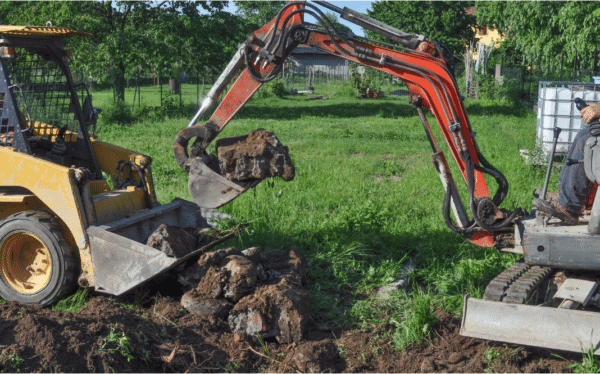
These compact machines are designed to work in tight spaces without causing unnecessary damage to surrounding areas. A mini excavator, for example, can dig a foundation trench within metres of an existing fence line—something a full-sized machine simply cannot do.
Commercial Equipment
- Large excavators
- Bulldozers
- Wheel loaders
- Articulated dump trucks
- Compactors
- Graders
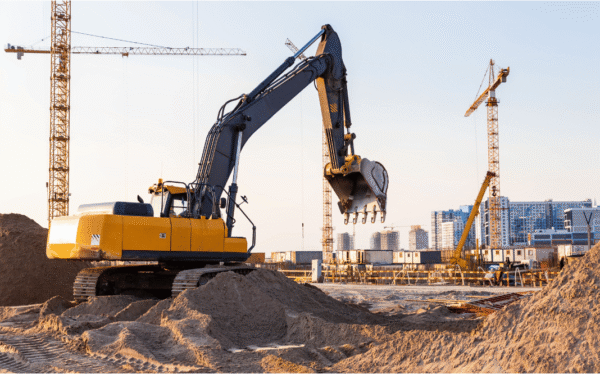 Commercial sites demand machines built for high-volume earthmoving. Moving thousands of cubic metres of soil efficiently requires equipment with far greater capacity and power than what you’d find on a residential job site.
How Site Preparation Differs Between Project Types
Site preparation follows a similar sequence in both residential and commercial excavation, but the scope varies considerably.
Residential site prep typically involves:
- Removing trees and vegetation
- Stripping topsoil
- Excavating the foundation
- Installing drainage systems
- Final grading
Commercial site prep is far more extensive:
- Clearing large parcels of land
- Mass earthmoving across wide areas
- Stormwater management systems
- Utility installation (water, sewer, electrical conduits)
- Soil stabilization
- Parking lot grading
- Preparing multiple building pads
A residential project might be ready for framing within a week or two. A commercial site could take months just to prepare the ground for construction to begin.
Permits, Regulations, and Safety Requirements
No excavation project—residential or commercial—should begin without the proper permits and safety checks in place.
Key regulatory requirements typically include:
- Utility locates: Before any digging begins, underground utility lines must be identified and marked. In Ontario, this is a legal requirement under the Ontario Underground Infrastructure Notification System Act.
- Municipal building permits: Required for most foundation, drainage, and structural excavation work.
- Environmental considerations: Projects near wetlands, waterways, or protected areas may require environmental assessments.
- Drainage compliance: Excavation must account for stormwater runoff to prevent flooding and erosion on adjacent properties.
- Safety standards: Ontario’s Occupational Health and Safety Act sets out strict requirements for trenching, shoring, and on-site safety protocols.
Commercial projects add another layer of complexity. They often require engineering sign-offs, environmental impact studies, and multiple rounds of municipal inspections before, during, and after excavation.
Project Timelines: What to Expect
Several factors affect how long excavation takes, regardless of project type:
- Site size and terrain
- Soil conditions and the presence of rock
- Weather delays
- Utility conflicts discovered during digging
- Permit approval timelines
- Equipment availability
For residential projects, most excavation work is completed within a few days to a few weeks. A basement dig or pool excavation on a standard lot might take two to five days under good conditions. Commercial excavation, by contrast, can span several weeks to several months depending on the scope of the project.
How to Choose the Right Excavation Contractor
Hiring the right excavation contractor can make or break a project. Here’s what to look for:
- Relevant experience: Ask whether the contractor has completed similar projects—both in type and scale.
- Proper licensing and insurance: Verify that the company holds the appropriate licenses and carries liability insurance and WSIB coverage.
- Modern, well-maintained equipment: Outdated or poorly maintained machinery leads to breakdowns and delays.
- Positive reviews and references: Look for documented feedback from past clients, especially on projects similar to yours.
- Knowledge of local regulations: A contractor familiar with Ontario’s permit requirements and safety standards will save you time and headaches.
- Transparent estimates: Get a detailed written quote that breaks down costs clearly. Vague quotes often lead to unexpected charges.
- Strong safety culture: Safe job sites run more smoothly and are less likely to result in costly accidents or project shutdowns.
Why Professional Excavation Matters
Cutting corners on excavation isn’t just risky—it’s expensive. Poor excavation work can cause long-term problems that are far more costly to fix than they would have been to prevent.
Common consequences of substandard excavation include:
- Foundation settlement: Improperly compacted soil causes foundations to shift and crack over time.
- Drainage failures: Poor grading leads to standing water, basement flooding, and erosion.
- Soil erosion: Unstabilized slopes can collapse, damaging structures and neighboring properties.
- Project delays: Mistakes during excavation cascade into delays at every subsequent stage of construction.
- Safety hazards: Unsupported trenches and unstable ground create serious risks for workers and nearby residents.
Proper planning, experienced operators, and the right equipment from the start protect your investment and keep your project on track.
Residential and Commercial Excavation Services in London, Ontario
Bowden Excavating provides professional excavation solutions for both residential and commercial clients throughout London, Ontario and the surrounding region. With experience across a wide range of project types and site conditions, Bowden’s team brings the equipment, expertise, and local knowledge needed to get the job done right.
Services include:
- Site preparation
- Foundation excavation
- Driveway excavation
- Land clearing and bush clearing
- Septic system excavation
- French drains
- Pond excavation
- Grading and drainage
- Shoreline work
Whether you’re breaking ground on a new home or preparing a large commercial site, Bowden Excavating delivers reliable, efficient work with a strong focus on safety and quality. Contact the team today to discuss your project and get a detailed, transparent estimate.
Frequently Asked Questions
 What is the main difference between residential and commercial excavation?
The main differences are scale and complexity. Residential excavation is performed on smaller properties for projects like home foundations, driveways, and pools. Commercial excavation involves larger sites, heavier equipment, more earthmoving volume, and stricter regulatory requirements.
Do I need a permit for residential excavation in Ontario?
Yes, most residential excavation projects require a municipal building permit, particularly for foundation work, septic systems, and drainage installations. Underground utilities must also be located and marked before digging begins under Ontario law.
How long does residential excavation take?
Most residential excavation projects are completed within a few days to two or three weeks, depending on the scope of work, soil conditions, and site access.
What equipment is used for residential excavation?
Compact equipment is standard for residential jobs—mini excavators, skid steers, compact track loaders, and small dump trucks. These machines are suited to tight spaces and smaller excavation volumes.
How do I know if a contractor is qualified for my excavation project?
Look for contractors with documented experience on similar projects, proper insurance and licensing, positive client reviews, and a clear understanding of local permits and safety regulations. Always request a written estimate before work begins.