
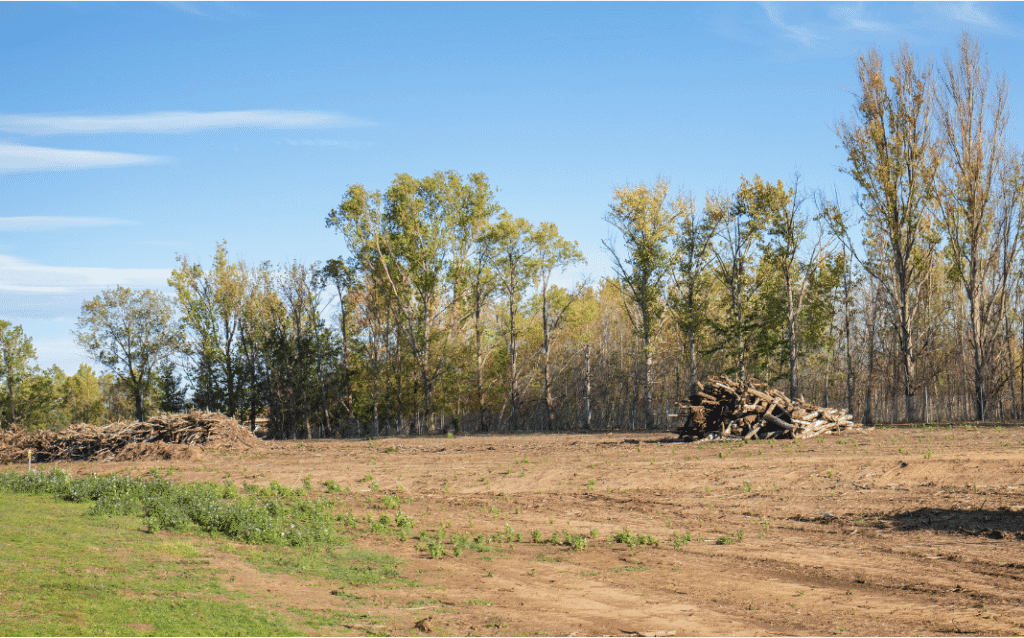
Whether you need a permit for tree removal or bush clearing in Ontario depends on your municipality, the size of the trees, and your property’s proximity to protected environments like wetlands. Generally, urban properties and lands managed by Conservation Authorities require permits, while rural, non-restricted property maintenance often does not. Always check local bylaws before starting work.
Many property owners assume that buying land grants them complete freedom to clear vegetation, chop down trees, and alter the landscape as they see fit. This common misconception can lead to severe legal and financial consequences. Ontario has a complex network of municipal bylaws, provincial regulations, and conservation guidelines designed to protect the environment and maintain tree canopies.
Understanding exactly when and where these rules apply can save you from unexpected project delays and hefty fines. Tree removal and bush clearing are highly regulated activities, especially when large-scale excavation or shoreline modifications are involved.
This guide breaks down the specific conditions that trigger the need for a permit in Ontario. You will learn how to navigate local bylaws, when conservation authorities step in, and why partnering with a professional excavation contractor can keep your project compliant and on track.
When do you typically need a permit for tree removal?
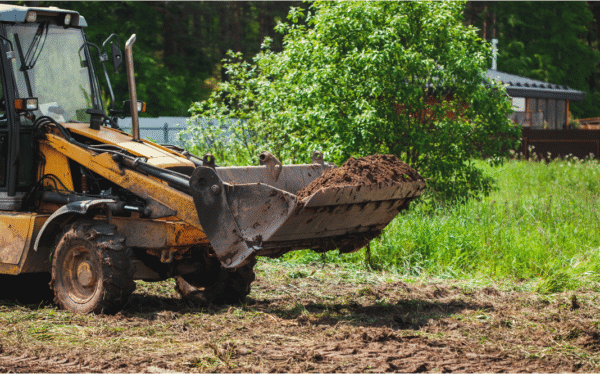 Property owners must usually obtain a permit when their land falls within regulated or protected areas. If your property is located inside a Conservation Authority zone—which includes floodplains, wetlands, and shoreline areas—you will need official approval before removing any vegetation.
Municipal tree protection bylaws also dictate permit requirements. Many cities and townships mandate permits for removing urban trees that exceed a specific diameter, often measured at chest height. Additionally, any land clearing related to new development or construction almost always requires a permit to ensure the work aligns with local zoning and environmental standards. Finally, if your property contains protected species or environmentally sensitive lands, provincial regulations strictly control what can be cleared.
When can you clear land without a permit?
Choose to proceed without a permit only if you have verified that your property has no environmental restrictions or municipal bylaw constraints. Rural and private lands without conservation overlays often allow for more freedom.
You typically do not need a permit for routine property maintenance, such as clearing dead shrubs, removing invasive overgrowth, or cutting down small trees that fall below the municipal diameter threshold. Agricultural land clearing also frequently bypasses permit requirements to allow farmers to maintain their fields, though specific regional exceptions still apply. Always verify your local township rules, even if you live in a rural area.
How do municipal tree bylaws affect tree removal in Ontario?
Municipal tree bylaws vary significantly between different cities and townships across Ontario. A rule that applies in Toronto may look entirely different in a rural southwestern municipality.
Most bylaws establish a specific tree size threshold that triggers a permit. For example, a municipality might require a permit to remove any tree with a trunk diameter greater than 30 centimeters (measured 1.4 meters from the ground). Furthermore, cities often designate certain trees as “heritage” or “protected” due to their age, species, or historical significance. Removing a heritage tree is strictly prohibited without specialized municipal consent. Because these rules are highly localized, checking with your specific local government is an essential first step.
What restrictions do Conservation Authorities enforce in Ontario?
Conservation Authorities are local watershed management agencies that protect natural resources across Ontario. They heavily regulate activities near water to prevent flooding, erosion, and environmental degradation.
If you plan to clear bush or remove trees near shorelines, wetlands, or riverbanks, you will likely encounter Conservation Authority restrictions. These agencies enforce strict buffer zones around water bodies. Removing vegetation in these areas can destabilize the soil and harm local ecosystems, which is why bush clearing near water requires thorough review and specialized permits.
What are the environmental and species protection rules?
Ontario enforces strict rules to protect habitats and nesting seasons for local wildlife. The Endangered Species Act prevents property owners from destroying habitats where threatened or endangered animals live.
Additionally, seasonal restrictions often dictate when you can clear vegetation. For instance, removing trees during the spring and summer nesting season can violate the Migratory Birds Convention Act. Penalties for non-compliance with these environmental protection rules are severe, ranging from heavy fines to legal prosecution.
How do rules change for forestry and large-scale land clearing?
Large-scale land clearing triggers a different set of regulations than basic residential landscaping. When tree removal scales up to commercial levels, the activity is often classified as “development.”
Development projects, such as subdivisions or commercial site preparations, require comprehensive site plan approvals. These permits look beyond just the trees; they regulate soil disturbance, grading, and stormwater management. Commercial clearing requires extensive environmental impact studies and detailed remediation plans before a single tree is cut.
What happens if you remove trees without a required permit?
Failing to secure the right permit before clearing land can immediately halt your project. Municipalities and Conservation Authorities actively monitor for illegal clearing and will issue immediate work stoppage orders.
Beyond stopping the work, authorities issue substantial fines for unauthorized tree removal. Property owners are also frequently forced to complete expensive restoration requirements, which can include replanting mature trees or remediating damaged soil. Furthermore, illegal clearing can cause massive delays in securing future construction approvals for your property.
How can property owners check if they need a clearing permit?
The most reliable way to determine your permit requirements is to contact your local municipal building or forestry department. You should also reach out to your local Conservation Authority to check if your property falls within a regulated watershed zone.
Conducting a professional site assessment before clearing begins is highly recommended. Because the regulations overlap between municipal, provincial, and conservation bodies, hiring a contractor to identify these restrictions early is the safest approach.
Why should you hire a professional excavation and land clearing contractor?
Navigating the web of tree removal permits is complicated. Professional contractors possess the necessary experience to navigate local bylaws and secure the correct permits on your behalf.
For property owners in Southwestern Ontario, Bowden Excavating Inc. serves as a reliable excavation company that understands local land clearing regulations. A professional contractor like Bowden Excavating Inc. helps identify restricted environmental areas before work starts, ensures all documentation complies with municipal codes, and ultimately reduces the legal and financial risk for homeowners.
What are the best practices before starting tree or bush clearing?
Before firing up a chainsaw or bringing in an excavator, you must always verify your exact property boundaries through a legal survey. Encroaching on a neighbor’s land or municipal property is a costly mistake.
Always get utility locates (often known as Ontario One Call) to mark underground gas, water, and electrical lines before any deep root removal or excavation begins. Finally, assess your property’s drainage and grading needs, and create a clear plan for how you will responsibly remove and dispose of the resulting brush and timber debris.
Ready to clear your land legally and safely?
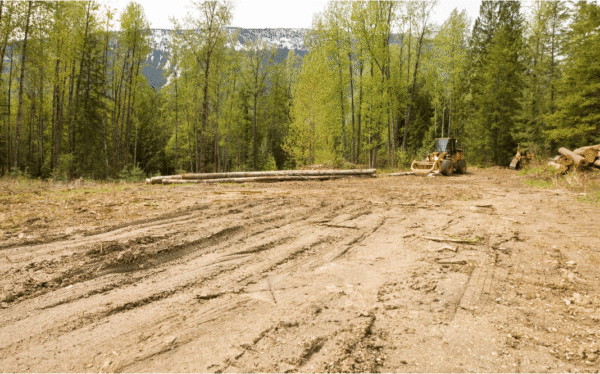 Tree removal and bush clearing require careful planning and a solid understanding of local Ontario regulations. Taking the time to research permits and consult with professionals ensures your property improvements proceed smoothly and legally. If you are preparing for a land clearing or excavation project, contact your local municipality today or reach out to an experienced professional like Bowden Excavating Inc. to get your project started on the right foot.