
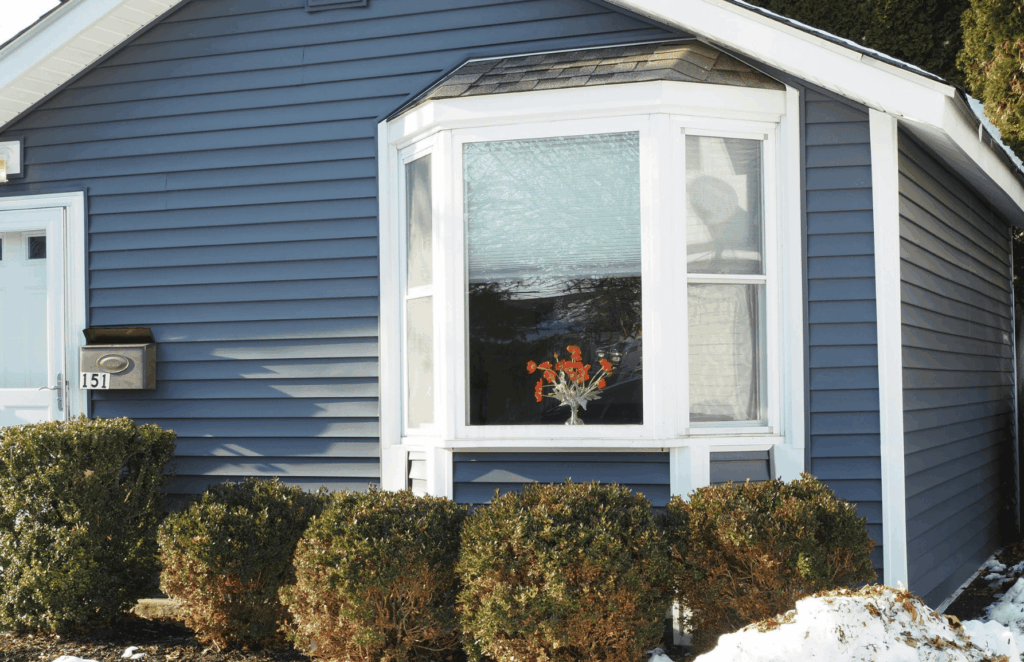
Seeing a puddle of water gathering near the base of your home might not seem like an immediate emergency. However, water pooling around your foundation introduces a serious risk of long-term damage. When moisture repeatedly accumulates near your walls, it slowly compromises the structural integrity of your house.
Left unchecked, this standing water leads to a cascade of expensive problems. You might start noticing small cracks in the concrete, unexplained leaks in your basement, or the unmistakable smell of mold. These warning signs indicate that water is actively putting pressure on your foundation and finding its way inside.
Fortunately, you can stop this process before it requires a massive renovation. By understanding exactly what causes water to gather near your home, you can implement effective, permanent solutions. We will walk you through the most common culprits of foundation pooling and explain the best ways to protect your property moving forward.
Why Water Around Your Foundation Is a Serious Problem
Water is relentlessly heavy and persistent. When it saturates the soil immediately surrounding your house, it creates hydrostatic pressure. This pressure pushes against your basement walls and foundation, eventually leading to severe complications.
The most common consequence is foundation cracking and shifting. As the soil expands with moisture and contracts as it dries, your house moves slightly, causing the concrete to crack. Once these fissures open up, basement leaks and flooding soon follow. Moisture seeping into a dark, warm basement creates the perfect environment for mold and mildew. This compromises your indoor air quality and introduces potential health hazards to your family.
Over time, constant water exposure results in major structural damage that can make a home unsafe. As a direct result, persistent drainage problems will significantly decrease your property value. Fixing these water issues early saves thousands of dollars in foundation repair and mold remediation down the road.
7 Common Reasons Water Is Collecting Around Your Foundation
Identifying the source of the water is the first step toward a dry yard and a safe home. Here are the most frequent causes of pooling water.
1. Poor Yard Grading
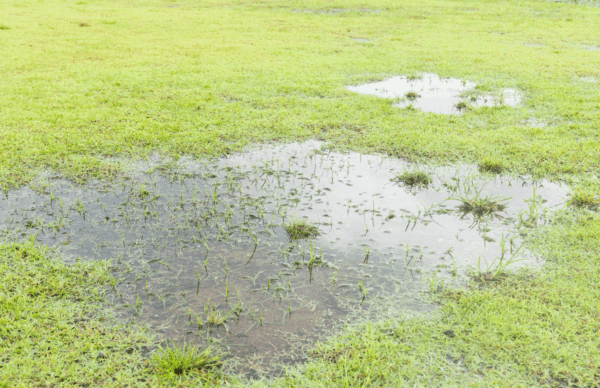 Your yard should slope away from your house, guiding rainwater toward the street or a drainage ditch. If the ground slopes toward your home instead, gravity will naturally force water to flow directly into your foundation. Over time, soil settles, turning a proper grade into a negative one.
2. Clogged or Broken Gutters & Downspouts
Your roof collects a massive amount of rainwater. Gutters are designed to channel this water safely away. However, if they are clogged with leaves and debris, the water overflows and dumps directly beside your foundation. Similarly, if your downspouts are too short, they deposit heavy streams of water right at the base of your home.
3. Improper Drainage Systems
Some properties naturally accumulate water and require dedicated drainage systems to manage the flow. Without a functioning French drain or surface drain, heavy runoff has nowhere to go. If an existing system is failing or clogged with roots and dirt, water will simply pool at the lowest point.
4. Clay Soil Holding Water
The type of dirt around your home plays a massive role in drainage. Clay-heavy soil, which is very common in regions like Ontario, does not absorb water quickly. Instead of soaking into the ground, rain sits on the surface and pools against your foundation walls.
5. Heavy Rain or Snowmelt
Sometimes, the sheer volume of water is simply too much for the surrounding earth to handle. Rapid snowmelt in the spring or consecutive days of heavy rain can easily overwhelm your yard, leading to temporary but damaging seasonal flooding.
6. Landscaping Issues
Beautiful garden beds can sometimes hide a drainage nightmare. If landscaping features like retaining walls, raised flower beds, or concrete hardscaping are installed incorrectly, they can trap water. These features sometimes act as dams, blocking water from flowing away and forcing it inward toward the house.
7. Foundation Cracks
If your foundation already has small cracks, water will actively seep into them. As it freezes and thaws throughout the year, the water expands, widening the cracks. What starts as a minor surface flaw can quickly become a major structural failure as water continues to penetrate the concrete.
How to Fix Water Around Your Foundation (Best Solutions)
Once you know why the water is pooling, you can take action. Here are the most reliable methods for keeping water away from your home.
Regrading Your Yard
Adding soil to create a positive slope is one of the most effective ways to protect your home. Ensure the ground drops about six inches for the first ten feet moving away from your foundation. This simple change allows gravity to do the heavy lifting.
Installing a French Drain System
A French drain is a highly reliable, long-term solution for persistent pooling. By burying a perforated pipe surrounded by gravel, you create an easy underground path for water to travel safely away from your yard.
Extending Downspouts
This is a quick and highly effective fix. Attach extensions to your current downspouts to ensure they discharge water at least six to ten feet away from your home’s exterior walls.
Improving Soil Drainage
If you are dealing with heavy clay, amending the soil can help. Mixing topsoil, sand, and organic matter into the ground around your foundation improves absorption rates and reduces the chance of surface pooling.
Installing a Sump Pump (If Needed)
If water is already finding its way into your basement, a sump pump is a critical line of defense. It actively pumps incoming water out and away from the house, keeping your basement dry during heavy storms.
When Should You Call a Professional?
 While extending a downspout is an easy weekend project, some drainage problems require professional intervention. You should call in the experts if you notice water pooling after every single rainstorm, or if you already have basement dampness and visible foundation cracks. If your DIY grading attempts haven’t solved the issue, it is time to get help.
Bowden Excavating Inc. provides comprehensive property inspections to identify exactly how water is interacting with your home. Our team designs custom drainage solutions tailored to your specific yard and soil type, ensuring long-term fixes that protect your biggest investment. We can install a french drain or find the right solution for your property.
How to Prevent Water Issues in the Future
The best way to manage foundation water is to prevent it from pooling in the first place. You can keep your home safe by performing regular maintenance throughout the year.
Clean your gutters at least twice a year to ensure water flows freely off your roof. Keep an eye on your yard’s grading, adding topsoil if you notice areas settling near the house. Conduct seasonal inspections, particularly in the spring, to check for new cracks or signs of moisture. Finally, consider installing permanent drainage systems to gain absolute peace of mind during heavy rains. Taking these steps today guarantees a dry, secure foundation for decades to come.